Privacy settings



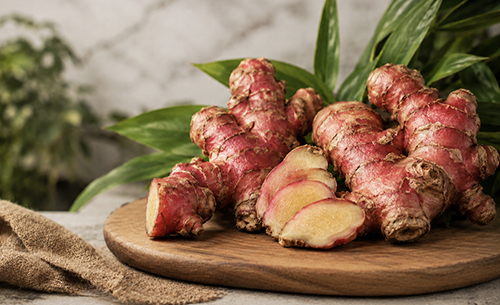
Indonesia is one of the world’s important sources of botanical ingredients and traditional herbal medicines (“jamu”). Key medicinal plants with high commercial use include Ginger (Zingiber officinale), Turmeric (Curcuma longa), Temulawak (Curcuma zanthorrhiza), Sambiloto (Andrographis paniculata), and Meniran (Phyllanthus niruri), which are widely applied in digestive health, immune support, liver health, functional beverages, and traditional herbal formulations.
The Indonesian government has developed superior seed varieties for several medicinal plants. However, around 85% of herbal raw materials are still collected from the wild, creating challenges related to quality consistency, seasonal supply, traceability, adulteration, and export compliance. To ensure standardized quality, large companies continue to develop integrated upstream-to-downstream supply ecosystems.
Indonesia also faces challenges in raw material identity and standardization due to local naming systems, limited farmer education, and similarities between plant species. To support quality control and export standardization, BPOM established Materia Medika Indonesia (MMI) and the Indonesian Herbal Pharmacopoeia (FHI) as national references for medicinal plant identification and quality parameters.
Indonesia’s traditional medicine market is valued at approximately USD 1.4–1.7 billion annually, dominated by Jamu (96%), followed by Standardized Herbal Medicines/OHT (3%) and Phytopharmaceuticals/Fitofarmaka (1%). The industry is regulated by BPOM and categorized based on scientific evidence, ranging from empirical traditional medicines to clinically validated phytopharmaceutical products.
The Indonesian herbal industry consists of UMOT (Micro Traditional Medicine Enterprise), UKOT (Small Traditional Medicine Industry), IOT (Traditional Medicine Industry), and IEBA (Natural Extract Manufacturing Industry) manufacturers that produce traditional medicines, herbal extracts, essential oils, standardized botanical extracts, and natural active ingredients for pharmaceutical, supplement, cosmetic, and food industries. Currently, approximately 18 IEBA-certified companies operate in Indonesia.
Indonesia has also developed a growing market for standardized herbal extracts, including ginger, turmeric, sambiloto, temulawak, meniran, tongkat ali, and other botanical ingredients with standardized active markers for domestic and export markets.
Although traditional medicine use in modern healthcare remains limited, the Indonesian government continues to support the industry through regulatory incentives, local content policies, e-catalog integration, and export promotion programs. These initiatives are expected to strengthen cultivation systems, improve raw material standardization, and increase global market opportunities for Indonesian botanical ingredients.
Post time: May-28-2026